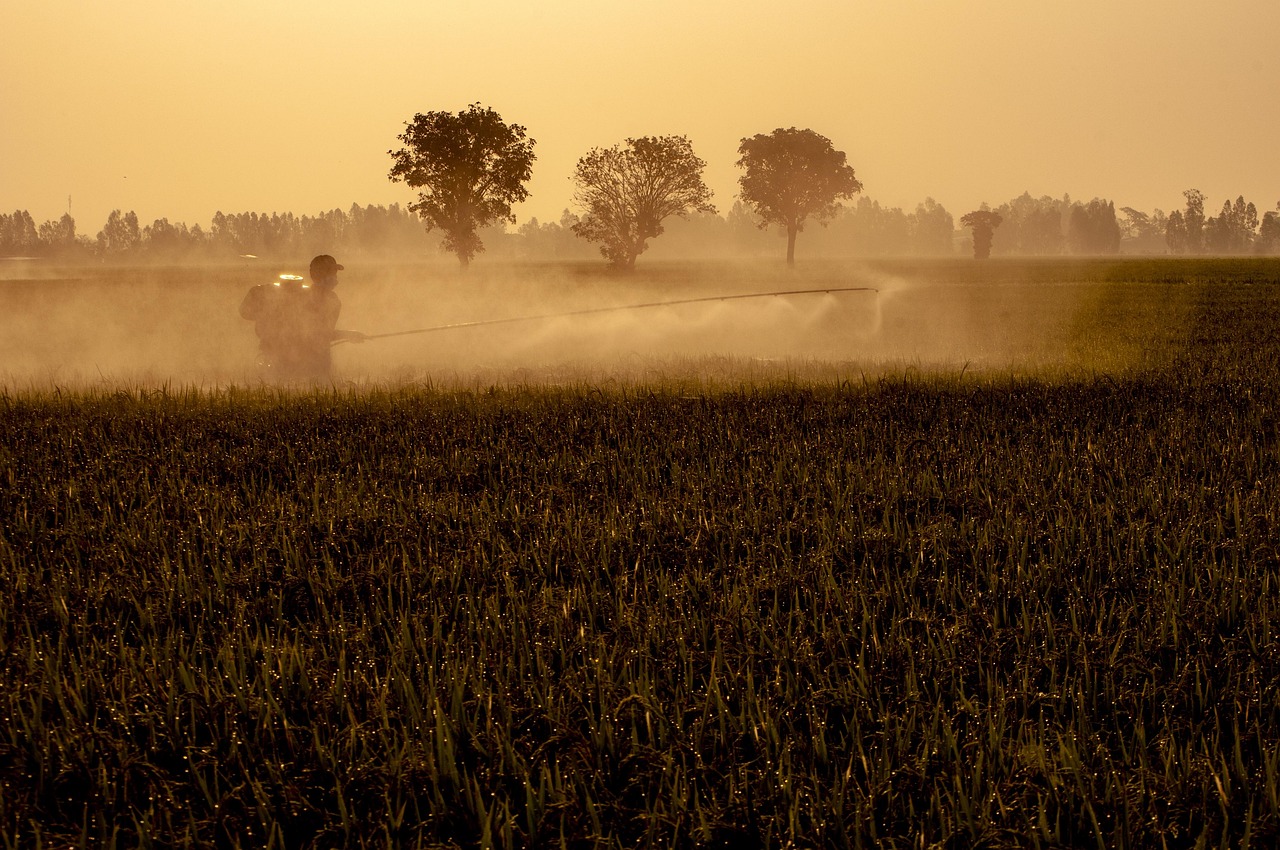
Lawn care and landscaping are essential components of maintaining a healthy, vibrant outdoor space. Among various techniques and practices, efficient irrigation plays a pivotal role in ensuring the lushness and longevity of your lawn and garden. This comprehensive guide delves into the intricacies of irrigation system installation, offering valuable insights for both DIY enthusiasts and professionals in the field of lawn care and landscaping.
I. Understanding Irrigation Systems: Types and Benefits
What is an Irrigation System?
An irrigation system is a network of components designed to deliver water efficiently to various areas of a landscape. It consists of pipes, emitters, valves, and controllers that work in harmony to provide targeted watering where it’s needed, when it’s needed.
Types of Irrigation Systems:
-
Drip/Micro-Irrigation: This system delivers water directly to the plant roots via small plastic lines with emitters. It is highly efficient, minimizing water waste and reducing weed growth.
-
Sprinkler System: Utilizing a series of sprinklers mounted on stands or rods, this system provides broad coverage. Sprinklers can be adjusted for height and pattern to target specific areas.
-
Rotary or Swing Joint Sprinkler: A large, rotating sprinkler head covers a wide area with each pass, making it ideal for larger open spaces.
-
Above-Ground vs. Underground: Above-ground systems are more visible but easier to install and maintain. Underground systems are concealed but require more effort during installation and repairs.
Benefits of Implementing an Irrigation System:
-
Water Efficiency: By delivering water precisely where it’s needed, irrigation systems reduce water wastage, ensuring every drop counts.
-
Time Savings: Automated systems eliminate the need for manual watering, saving time and effort.
-
Lawn and Plant Health: Consistent and targeted watering promotes robust plant growth, leading to a healthier lawn and garden.
-
Consistency: Irrigation ensures your lawn receives consistent water, even during periods of forgetfulness or busy schedules.
II. Steps for Installing an Irrigation System
Planning and Design:
Before breaking ground, thorough planning is crucial.
-
Assess Your Landscape: Evaluate the area to be irrigated, considering topography, shade patterns, and existing vegetation. Identify areas that require specific water attention.
-
Determine Water Source: Choose between a municipal water supply or a well. Ensure you have access to adequate water pressure and flow rates.
-
Create a Layout: Sketch a design of your irrigation system, noting pipe routes, valve locations, and sprinkler/drip placement. This plan will guide your installation process.
Installation Process:
1. Prepare the Ground:
- Clear the area of debris, trees, and shrubs that might interfere with the system.
- Loosen compacted soil to ensure water penetration and allow for pipe burial if applicable.
- Install any necessary filters or backflow devices as per local regulations.
2. Lay the Pipes:
- Based on your design, lay the main supply pipes, taking care to follow manufacturer guidelines for slope and curvature.
- For underground systems, use appropriate materials like PVC or PE pipes, ensuring they are buried at the recommended depth.
- Connect pipes with couplings, fittings, and valves as required. Test for leaks before proceeding.
3. Install Emitters/Sprinklers:
- Place drip emitters in close proximity to plant roots or along established grass lines.
- Mount sprinklers at the desired height and angle, ensuring full coverage of the targeted area.
- Adjust sprinkler patterns as needed to avoid overlap or under-watering.
4. Connect Electronics:
- Install a control valve to manage water flow and connect it to your chosen controller (timer or smart controller).
- Program the controller according to your lawn’s needs, setting watering schedules and duration.
- Test the system to ensure all components work harmoniously.
Post-Installation Considerations:
- Testing: Run the system at various times to check for leaks, clogs, and proper water distribution.
- Regular Maintenance: Clean filters regularly, inspect pipes for damage, and replace worn-out parts promptly.
- Seasonal Adjustments: Modify watering schedules based on seasonal changes, ensuring optimal performance during different weather conditions.
III. Choosing the Right Irrigation System for Your Needs
Factors to Consider:
- Climate and Weather Patterns: Understand your region’s climate and rainfall cycles to select a system that accommodates dry or wet seasons.
- Landscape Size and Layout: For smaller areas, drip systems may suffice, while larger landscapes might require sprinklers.
- Soil Type and Topography: Consider soil composition and slope; certain systems work better for different terrains.
- Budget: Irrigation systems vary widely in cost. Set a budget and explore options within it.
- Future Expansion: Plan ahead if you anticipate expanding your landscape, ensuring your system can accommodate future needs.
Popular Irrigation System Options:
-
Drip Systems for Small Areas: Ideal for flower beds, containers, and small lawns, these systems provide precise watering directly to plants.
-
Sprinkler Systems for Large Lawns: Efficient and versatile, sprinklers cover large areas evenly. Choose between basic models or smart controllers for customizable settings.
-
Smart Irrigation Controllers: These devices use weather data and plant moisture sensors to automate watering schedules, conserving water and ensuring optimal plant health.
FAQ:
1. How do I decide on the right irrigation system for my lawn?
The choice depends on various factors, including your landscape’s size, layout, soil type, and budget. Start by assessing your needs and consulting with professionals who can provide tailored recommendations based on local conditions and regulations.
2. Can an irrigation system help reduce my water bills?
Absolutely! Efficient irrigation systems deliver water precisely where it’s needed, minimizing waste. According to studies, proper irrigation practices can save up to 60% of water used for outdoor purposes.
3. How often should I maintain my irrigation system?
Regular maintenance ensures optimal performance and longevity. Inspect pipes, emitters, and valves at least twice a year. Clean or replace filters as recommended by the manufacturer, typically every few months or annually.
4. Are there any water-saving tips for my lawn care and landscaping that I can implement alongside an irrigation system?
In addition to a well-designed irrigation system, consider these practices:
- Water early in the morning to minimize evaporation.
- Use rain sensors on your controller to avoid unnecessary watering during rainfall.
- Choose drought-resistant plant varieties.
- Practice mulching to retain soil moisture and reduce weed growth.
5. Can I install an irrigation system myself, or is professional help required?
Some basic drip systems can be installed by homeowners with DIY skills. However, for most sprinkler systems and complex layouts, professional installation is recommended due to the precision and local code requirements involved.
Conclusion:
Irrigation system installation is a significant investment in lawn care and landscaping, offering numerous benefits, from water conservation to improved plant health. By understanding different types of systems, carefully planning your design, and choosing the right equipment, you can create an efficient, sustainable irrigation solution for your outdoor space. Regular maintenance and adjustments will ensure your system continues to provide optimal results for years to come.