Lawn care and landscaping are essential aspects of maintaining and enhancing the beauty of your outdoor space. From lush, green lawns to meticulously designed landscapes, these practices not only improve the aesthetic appeal of your property but also contribute to its overall value. In this comprehensive guide, we will delve into the art and science of garden maintenance and beautification, offering valuable insights and practical tips to help you achieve a thriving and stunning outdoor oasis.
Section 1: The Fundamentals of Lawn Care
Understanding Lawn Health
Lawn care begins with understanding the fundamental needs of your grass. Different grass species have distinct requirements, so identifying the type of grass in your lawn is crucial. Common varieties include Kentucky Bluegrass, Fescues, and Ryegrass, each with its own optimal growing conditions. Factors such as sunlight exposure, soil type, and moisture levels play a significant role in determining the health and vibrancy of your lawn.
Regular Mowing and Trimming
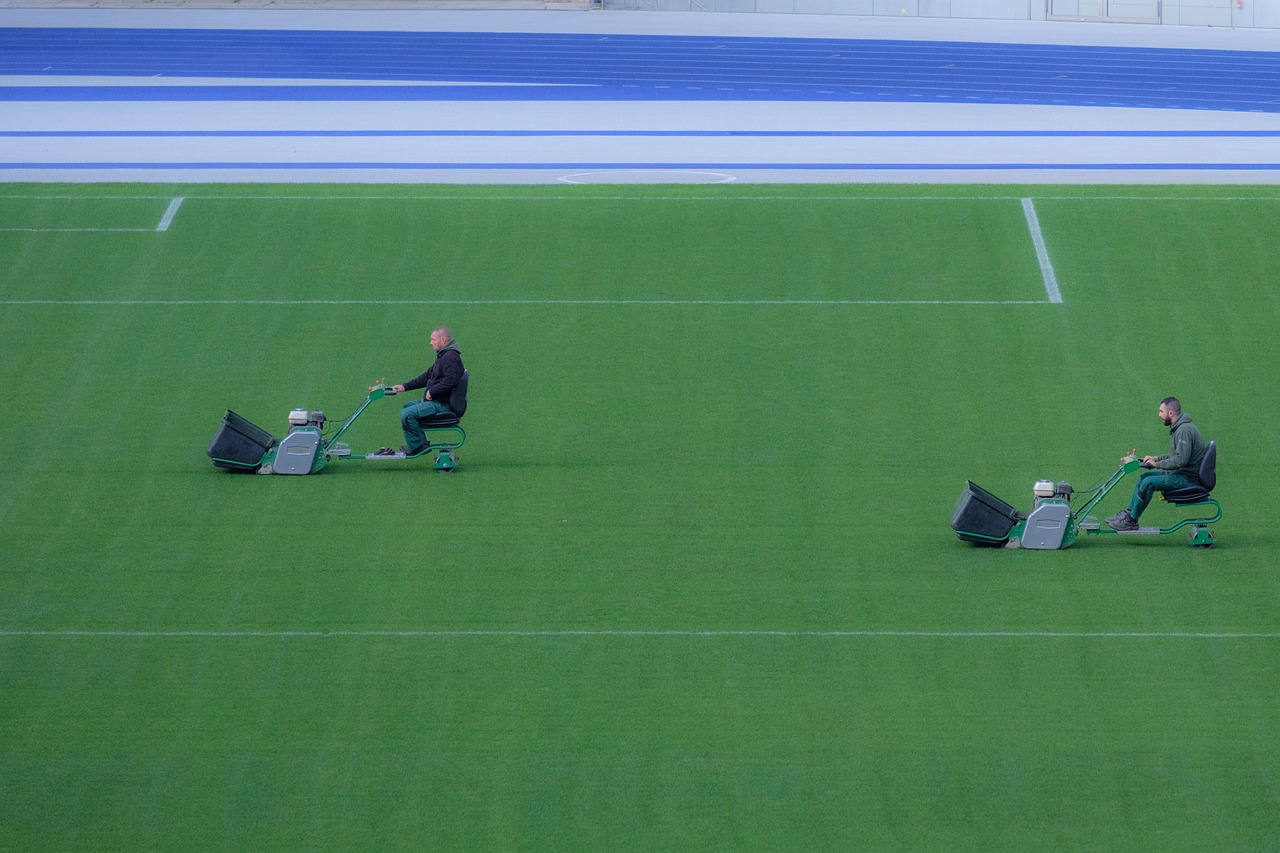
Proper mowing practices are essential for lawn care. Aim to keep your mower blades sharp, as dull blades can damage grass blades and encourage weed growth. The ideal height for mowing varies by grass type, but a general rule is to remove no more than one-third of the grass blade height at a time. Consistent mowing, typically once or twice a week, helps maintain a healthy lawn and promotes thick growth.
Fertilization and Nutrient Management
Fertilization is a critical component of lawn care and landscaping. It involves supplying essential nutrients to promote grass growth and overall lawn health. The best time to fertilize is in the spring and fall, when grass growth is most active. Choose a high-quality lawn fertilizer suitable for your grass type, and follow application instructions carefully to avoid over-fertilization, which can harm the lawn and local water sources.
Watering Strategies
Efficient watering is key to establishing a robust lawn. Deep, infrequent watering encourages deeper root growth, making the lawn more drought-tolerant. Aim to water early in the morning to minimize evaporation and prevent fungal diseases. During hot, dry periods, consider watering more frequently but for shorter durations, ensuring water reaches the root zone. Adjust your watering schedule based on grass type, soil conditions, and local climate.
Overseeding and Thatch Management
Overseeding is the process of planting new grass seed over an existing lawn to improve thickness and density. This technique is particularly beneficial in areas with thin or patchy grass. Perform overseeding in the late summer or early fall when grass growth is optimal. Regular dethatching, the removal of dead organic matter, also helps maintain a healthy lawn by allowing air, water, and nutrients to reach the root zone.
Section 2: Creative Landscaping Ideas for Every Yard
Designing Your Landscaping Plan
Landscaping is an art that involves planning and creating a visually appealing outdoor space. Start by assessing your yard’s unique features, such as existing trees, shrubs, and topographical elements. Consider your lifestyle and preferences, such as areas for relaxation, entertainment, or gardening. Create a rough sketch or use landscaping software to visualize your design, ensuring it aligns with your property’s natural elements and your personal tastes.
Creating Different Landscaping Zones
Divide your yard into functional zones to create a balanced and harmonious landscape. Common zones include:
-
Outdoor Living Zones: Design areas for seating, dining, and entertaining, incorporating comfortable furniture and decorative elements.
-
Garden Zones: Create dedicated spaces for flower beds, vegetable gardens, or herb gardens, adding color, fragrance, and fresh produce to your outdoor space.
-
Recreational Zones: Include spaces for active play, such as a backyard sports area or a children’s playground.
-
Water Features: Add a tranquil pond, a sparkling fountain, or a cascading waterfall to introduce the soothing sounds and visual appeal of water.
-
Shade and Relaxation Zones: Plant trees, arbors, or pergolas to create shaded areas for relaxation and to provide a natural setting for outdoor retreats.
Choosing Plants and Flowers
Select plants and flowers that thrive in your region and align with your landscaping design. Consider factors like bloom time, color, size, and maintenance requirements. Mix perennials, annuals, shrubs, and trees to create a vibrant and diverse garden. Native plants are an excellent choice for eco-friendly landscaping, as they require less maintenance and support local ecosystems.
Hardscaping Elements
Hardscaping refers to non-living elements in landscaping design, such as patios, walkways, decks, and retaining walls. These features add structure, definition, and functionality to your outdoor space. Patios and decks provide entertaining areas, while walkways create a sense of flow and guide the eye through the garden. Retaining walls can enhance slopes and create raised beds for gardening.
Section 3: Advanced Garden Maintenance and Tips
Seasonal Lawn and Landscape Care
Lawn care and landscaping require year-round attention. Each season brings unique challenges and opportunities for maintenance.
-
Spring: Overseed the lawn, dethatch if necessary, and perform any necessary pruning of shrubs and trees.
-
Summer: Keep grass hydrated, mow regularly, and address any weed or pest issues promptly.
-
Fall: Fertilize the lawn, rake up fallen leaves, and prepare for winter by trimming trees and shrubs.
-
Winter: Protect sensitive plants from extreme cold, remove snow carefully, and plan for spring planting.
Preventing and Managing Pests and Diseases
Pests and diseases can significantly impact lawn and landscape health. Regular monitoring and quick action are crucial for managing these issues.
-
Weed Control: Pull weeds by hand or use selective herbicides for targeted control.
-
Fungal Diseases: Watch for signs of disease, such as brown patches or powdery mildew, and treat with fungicides if necessary.
-
Insect Infestations: Identify the insects causing damage, as different insects require specific control methods. Consider natural predators, insecticidal soap, or targeted pesticides.
-
Tree and Shrub Care: Prune regularly to remove dead or diseased branches and protect plants from pests with organic or chemical treatments.
Advanced Lawn and Landscape Design Techniques
For those seeking to elevate their outdoor space, consider these advanced design techniques:
-
Layered Landscaping: Create depth and interest by layering plants of different heights, from tall trees to low-growing ground covers.
-
Rock and Stone Features: Incorporate natural stones to add texture, contrast, and visual appeal to your landscape.
-
Lighting Design: Strategically place lights to highlight garden features, paths, and focal points, enhancing evening ambiance.
-
Container Gardening: Utilize pots, planters, and containers to create flexible, compact gardens, perfect for small spaces or adding pops of color.
FAQ: Lawn Care and Landscaping Questions Answered
Q: How often should I mow my lawn?
A: The frequency depends on grass type, climate, and growth rate. As a general guideline, mow cool-season grasses (like Kentucky Bluegrass) once or twice a week during the growing season, removing no more than one-third of the grass height at a time.
Q: What is the best time of year to overseed a lawn?
A: Late summer to early fall is ideal for overseeding, as grass grows most actively during these seasons. This timing allows new grass seeds to establish before winter, ensuring a thicker, healthier lawn in the following spring.
Q: How do I choose the right plants for my landscape?
A: Consider your climate zone, soil type, available sunlight, and personal preferences. Native plants are often a good choice due to their adaptability and low maintenance requirements. Visit local nurseries or consult with a landscape designer for expert advice tailored to your area.
Q: What are some eco-friendly landscaping practices?
A: Eco-friendly landscaping involves using native plants, conserving water, reducing chemical use, and promoting biodiversity. Create rain gardens, install drip irrigation, choose organic fertilizers, and avoid invasive species to minimize the environmental impact of your landscape.
Q: How can I maintain a pest-free lawn and garden?
A: Regular monitoring, quick action, and integrated pest management (IPM) strategies are key. Encourage natural predators like ladybugs and spiders, use organic pesticides when necessary, and maintain a healthy lawn and garden to deter pests naturally.
Conclusion
Lawn care and landscaping transform your outdoor space into a beautiful, functional, and inviting environment. By understanding the fundamentals of lawn health, exploring creative landscaping ideas, and mastering advanced maintenance techniques, you can create a thriving garden that enhances your lifestyle and adds value to your property. With proper care and attention, your lawn and landscape will become a source of pride and enjoyment for years to come.